
How to Position Thread Spools for Perfect Machine Stitching
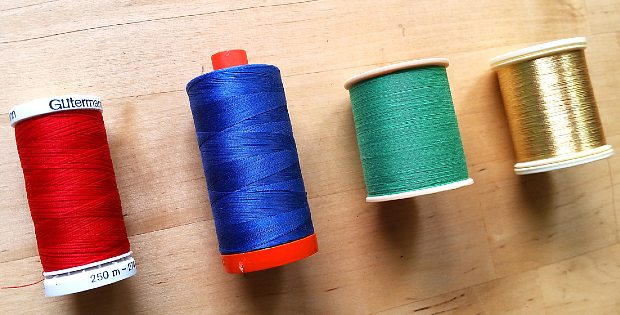


Stacked vs. Cross-Wound and Why It Matters!
If you’ve ever struggled with thread tangling, uneven stitches, or mysterious machine tension issues, the placement of the spool of thread might be the culprit. The way the thread is wound—either stacked or cross-wound—directly impacts how it feeds into your sewing machine.
Understanding this simple detail can significantly improve your sewing results, whether you’re piecing, machine quilting, or doing a bit of decorative stitching.
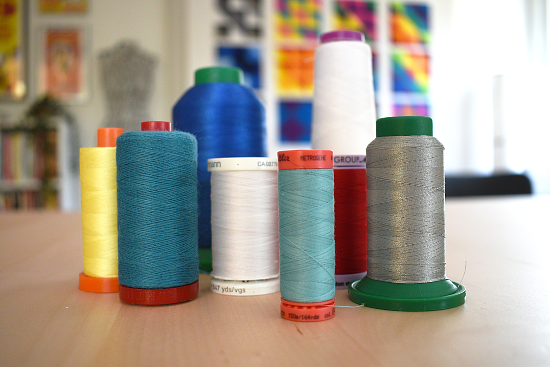
Improper spool orientation, based on how the spool is wound, can lead to several problems. These issues are widespread when sewing with metallic thread, monofilament, or heavy-duty quilting thread, but they can occur with any thread, not just those commonly used for quilting. Some of the issues you may experience are:
- Thread breakage
- Tension inconsistencies
- Looping or nesting
- Skipped stitches
Fortunately, there’s an easy solution: choose the correct spool pin on your machine, vertical or horizontal, based on how the spool is wound. Don’t worry if your machine only has one vertical spool pin and no horizontal one. A thread stand is a simple solution for that, which we’ll cover in a bit.
Stack Wound vs. Cross Wound Thread: What’s the Difference?
Winding Type | Description | Best Machine Setup |
|---|---|---|
Stack Wound Thread | Thread is wrapped in straight, parallel rows. | Use a vertical spool pin so thread unwinds from the side of the spool. |
Cross Wound Thread | Thread is wound in a crisscross pattern. | Use a horizontal spool pin so thread feeds from the top of the spool. Use a spool cap for stability. |
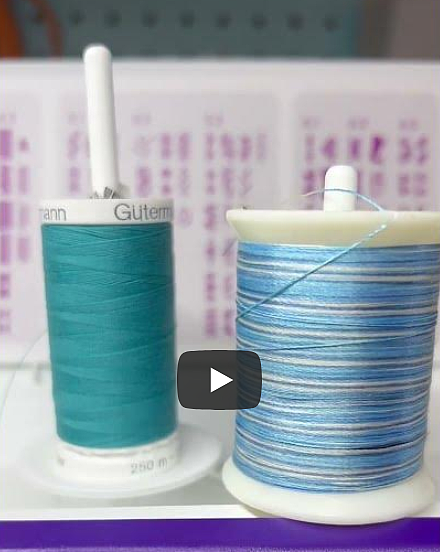
You’ll find good examples of both and how best to position them on your machine in the video below.
Thread Stands Aren’t Just for Large Cones
Thread stands allow you to use larger cones as well as improve thread delivery, especially for cross-wound spools or specialty threads like metallics and monofilaments. They aren’t just for large spools, though, and work with cross-wound spools of most sizes. The benefits include:
- Ideal for machines with only vertical spool pins
- Keeps the thread feeding smoothly upward
- Reduces tension issues and thread breakage
- Allows use of large cones for cost efficiency
Here are three popular thread stands that work with both large and small spools:
- Embroidex Adjustable Single Thread Spool Holder – heavy-duty plastic, 4.7 stars
- Simthread Spool Holder – sturdy metal, 4.6 stars
- Superior Threads Holder Thread Stand – sturdy plastic, 4.6 stars. It accommodates both stacked and cross-wound spools.
Pro Tips for Smooth Thread Delivery
- Use a thread stand for large cones, cross-wound spools, and specialty threads
- Clean your tension disks regularly
- Match needle size to thread weight
- Check your thread path for snags or sharp angles
Whether you’re piecing a quilt, machine quilting, or sewing down fusible-applique shapes, proper spool positioning ensures your thread flows smoothly and your stitches stay consistent.
An excellent article from We All Sew provides more in-depth information and photos showing how to load each type of spool on your machine, as well as how to use the Superior Thread Stand.
Image Source: The photo at the top of the page comes from We All Sew.


